Let’s be blunt for a moment: applying for a rental property without inspecting it properly is a bit like buying super-expensive shoes online without checking the size chart, the photos or the return policy and hoping for the best. Sometimes it works out. Usually, it doesn’t.
In Sydney’s current rental market, where competition is fierce and decisions are made quickly, many renters feel pressured to apply for properties they haven’t actually seen in person.
Some property managers ask tenants to submit applications before they have viewed the property in-person - they do this to vet your application and determine if they would like to show you through. You see, inspections take time for the property manager, and busy property managers prefer to set aside time for renters who are highly likely to be successful.
But what does this mean for you, the tenant?
It means sharing your personal information with a property manager to lease a property that you are yet to view. In privacy terms, this practice would not be supported. There is no “need” for the property manger to obtain, access or request your personal information before you have even inspected the home and decided that it is one that you would like to live in. And because there is no “need”, that information should not be requested - let alone be required - before you even inspect.
Given the recent case involving 2Apply, it remains to be seen whether real estate agencies will instead only request applications following inspections, not prior.
Why Inspecting a Rental Property Matters More Than You Think
A rental listing is marketing. Slick marketing! A property inspection is reality. Those are not the same thing.
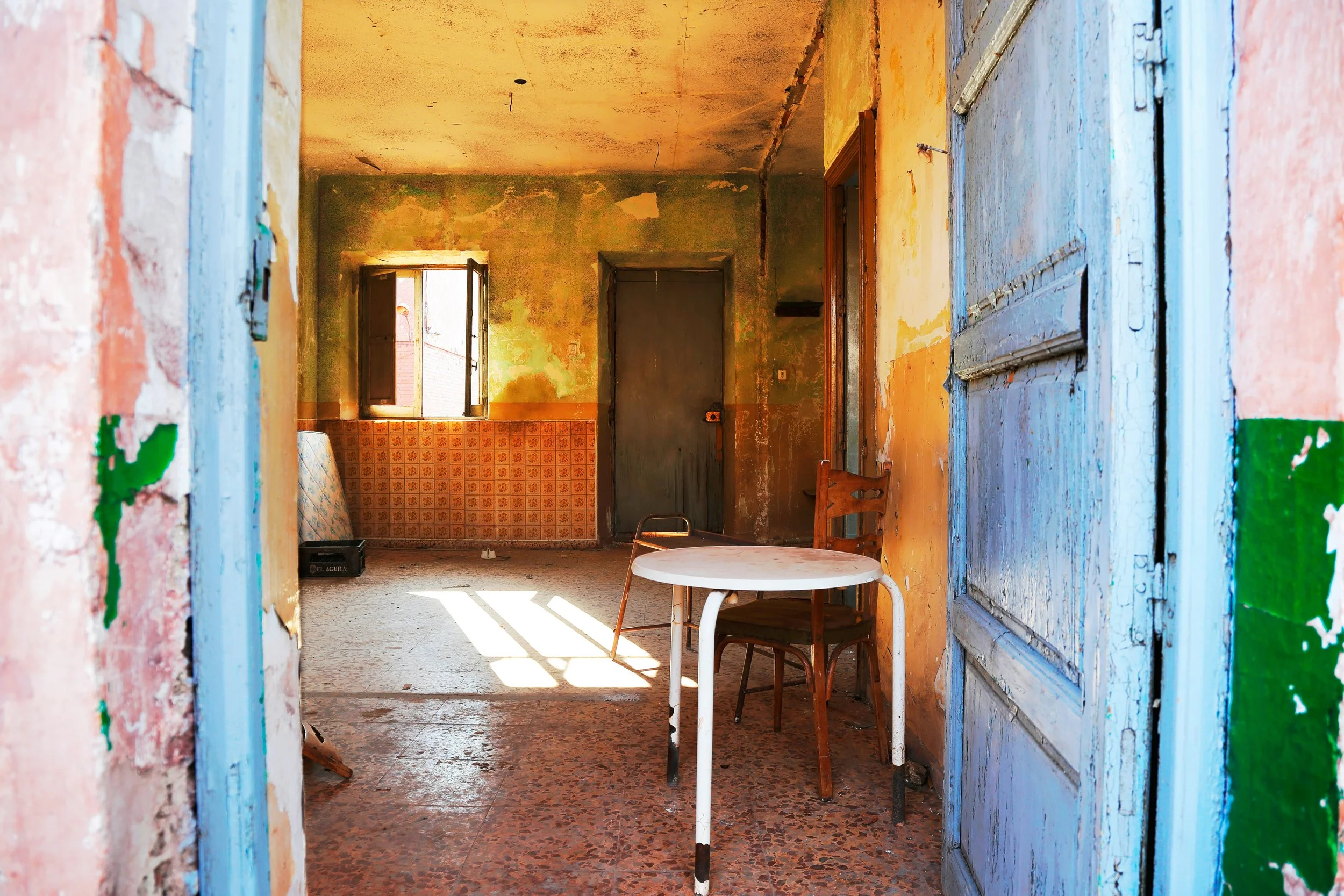
The online listing images are there to sell the property to you: to present it in the best possible light. No, they will not show that mould in the bathroom, or the hole in the wall, or the large stain on the carpet, or the bedroom that is in perpetual darkness.
The listing may now show that access is via a long, narrow row of slippery stairs, or the granny flat that is separately-rented.
Online photos and descriptions are designed to present a property in its best possible light. That’s not misleading - it’s just how property marketing works. But it does mean:
wide-angle lenses can distort room size making small rooms look amazingly large
lighting can hide wear and tear and make dark rooms seem bright
angles can avoid problem areas
old photos may still be used - we are seeing some online images that are 20 years old! Yes, the property looked great … then …. but what about now?
noise, smell, neighbours and surrounding context are completely missing
And this all matters more than most people realise!
1. You Can’t Feel the Property Online
There are things you only understand when you physically walk through a home:
Does it feel humid or dry?
Is there natural airflow?
Does it smell musty or fresh?
Is there street noise or aircraft noise?
Does the building feel well maintained or neglected?
These are subtle but important indicators of livability, and you won’t see them in photos.
2. Layout Reality Is Different in Person
Floor plans help, but they don’t tell the full story. In real life, you might discover awkward furniture placement - yes, the dimensions are right, but the furniture doesn’t fit there. Tight hallways or staircases that will make it difficult to place your furniture …. anywhere. Limited storage space - yes, the linen cupboard is present …. but so narrow (or deep) that fitting anything in it (or getting it out again) will be a hassle. And of course, poor natural light flow - despite a good aspect. These things affect how you actually live in the space day to day.
3. Building Condition Isn’t Always Obvious Online
Even in well-presented rentals, underlying issues may exist, such as ageing plumbing (eg water hammer); poor insulation - watch your heating costs sky-rocket; thin walls (noise transfer - hearing the upstairs neighbour’s dog playing normally on the floor); outdated appliances; maintenance concerns not shown in listing photos. An inspection allows you to pick up on these red flags early.
4. The Surrounding Area Matters Just as Much as the Property
A great apartment in the wrong location can still be a bad fit. When inspecting, you get a sense of street noise levels, traffic congestion, parking availability, nearby amenities, safety and foot traffic, whether the area feels safe and whether it feels like home. None of this can be fully understood from a listing.
5. Emotional Fit Matters (many tenants wish to rent for the long-term)
This is often overlooked. A property isn’t just a financial decision: it’s where you live your daily life, and it needs to feel right. When you walk through a home, you instinctively know “this feels right” or “this doesn’t feel quite right”. That instinct is valuable data. And nobody else can explore this, but you.
What Happens If You Don’t Inspect a Rental Property?
Sometimes people skip inspections because they’re interstate or overseas, they work long hours, the market is moving too quickly or they feel pressured to apply immediately. Sometimes it works out fine, but risks include:
discovering noise issues after moving in
realising the layout doesn’t suit your lifestyle
underestimating maintenance issues
misjudging suburb fit
regretting the decision shortly after signing
renting a dud
In a tight rental market, moving again quickly is expensive and stressful. So the goal is simple:
Reduce the risk of needing to move again sooner than planned.
Property managers require an inspection
Most property managers require you to inspect the home before they will offer you a lease. This is because they are well aware of all of the issues above, and they are here to act in the landlord’s best interests. The landlord’s best interests are not served by placing a tenant into a property that is wrong for them, only for them to break the lease - with the landlord needing to find another tenant. It is costly for landlord to get new tenants. Advertising costs several hundred dollars, There is loss of rent if there is rental vacancy (the mortgage does not stop during that time). There can still be maintenance issues to repair - even with a vacant property. Then there is the re-letting fee (1.5 - 2’ rent + GST) and agency agreement fee for the new lease. So - property managers - acting in the best interests of landlords, will want to minimise this risk for them - and the best way that they can do this is to insist that tenants inspect the homes prior to leasing t them.
So What Are Your Options If You Can’t Attend an Inspection?
The good news is: you’re not stuck. There are several alternatives that allow you to make informed decisions without physically attending.
Option 1: Ask Someone You Trust
This is the simplest solution: a friend or family member can attend the inspection and give you feedback, but there are limitations:
they may not know what to look for
feedback can be subjective
important issues may be missed
they may not understand rental standards or red flags
It’s better than nothing—but not always reliable.
Option 2: Virtual Inspections with the Property Manager (if available)
Some agents provide live video walkthroughs. These can be helpful, however it’s crucial to know that the property manager is there to show the property in its best light. They may not show you all areas and all problems. They are also there to protect the landlord’s interests - not yours.
Option 3: Professional Rental Inspection Services with a Licensed Real Estate Agent
This is where things become significantly more reliable. A professional service (like Find My Rental Property) means:
a trained eye attends the inspection - at Find My Rental Property, we have inspected thousands of homes.
detailed photos and reports taken. Photos in particular, are taken to ensure that your interests are protected.
Your questions are answered in your best interests.
Property condition is assessed properly and thoroughly.
Risks are identified early - so that you can make informed choices
Instead of relying on guesswork, you receive:
structured, objective, real-world information from a licenced professional.
What a Professional Inspection Actually Includes
An inspection report with Find My Rental Property goes beyond basic photos. It includes:
1. Full Property Walkthrough
Every room, including:
bedrooms
bathrooms
kitchen
storage areas
outdoor spaces
back yard / front yard
2. Condition Notes
Including:
visible damage
cleanliness
maintenance issues
signs of wear
issues that are likely to present
3. Noise and Environment Observations
Such as:
traffic noise
neighbouring properties
building activity
general street atmosphere
dogs
4. Layout Assessment
How usable the space actually is in practice.
5. Questions You Care About
For example:
parking arrangements
pet suitability
access
functional storage
temperature control
6. Honest Recommendation
Not “sell” the property - just clear insight.
Why This Matters in a Competitive Market
In markets like Sydney, renters often feel pressure to apply quickly, skip inspections and “just get something” - for FOMO! But fast decisions without information often lead to leases cut short, another costly move (hopefully to something better), dissatisfaction and higher long-term costs. The goal is not just to secure a property: it’s to secure the right property.
The Hidden Cost of a Bad Rental Decision
A poor rental choice doesn’t just affect comfort; it affects financial stability (moving costs, rent increases), work, family, children, pets, emotional stress, daily lifestyle, commute time and quality of life, and in a tight market, fixing a mistake is not always quick or easy.
So Should You Ever Skip an Inspection?
In our view, no - never! And, if you can’t personally inspect, then the very vest option is to have a professional, licensed real estate agent inspect on your behalf.
Some property managers will insist on a licensed real estate agent inspecting on your behalf.
You read that right. If you can’t personally inspect, many property managers will only approve your application if the person who inspects on your behalf is a licensed real estate agent. Why? Because this is the only way that they can ensure quality and conformance with real estate standards. A lot is at stake for a property manager when they accept an application for a property that you haven’t personally inspected, and many will not accept an application unless you - or a licensed real estate agent - have personally inspected. So whilst your friend or someone who does not hold a real estate license may inspect for you - the real question becomes, “Will be application be approved?” Because that is what matters in the end.
The Smart Approach: Replace Presence With Precision
If you can’t physically inspect a property, the goal is not to rely on hope: it’s to replace your physical presence with detailed reporting, professional assessment, structured information and local market knowledge. All provided by a licensed real estate agent . That’s how you reduce risk while still moving quickly.
How Find My Rental Property Helps
We help renters who can’t attend inspections, are relocating interstate or overseas, have limited time, want expert guidance and need help making fast but informed decisions.
The service is designed for clients seeking a focused, professionally managed process to secure a strong, realistic rental outcome – with minimal stress and overwhelm. Our service includes:
professional inspection attendance
detailed walkthroughs
honest property assessments
application strategy support
Because in a competitive rental market, speed matters - but informed speed matters more! We want a good outcome, not just any old outcome.
Final Thoughts
Inspecting a rental property in person is always ideal, but in today’s market, it’s not always possible. What matters is not whether you personally attend every inspection, but whether you have enough accurate, real-world information to make a confident decision - and whether the property that is inspected on your behalf can become yours. If you cannot inspect the property, many property managers will only approve your application if a licensed real estate agent has inspected on your behalf. Because once you sign a lease, the property becomes your daily reality.
Need Help Inspecting or Securing a Rental Property?
If you can’t attend inspections - or simply want expert support navigating Sydney’s competitive rental market - Find My Rental Property can help you inspect, assess, and secure the right home with confidence.